

Abonnez-vous aux dossiers
dossiers et Focus tech
-
→ Particulier Abonnement réservé à un usage personnel : 66 € (55 € ht)
-
→ Enseignement Abonnement pour les enseignants d'un même établissement : 72.5 € ht pour 12 mois (87 € ttc)
Abonnement pour les enseignants et les élèves d'un même établissement : 110 € ht pour 12 mois (132 € ttc) -
→ Société Abonnement pour une société : à partir de 110 € ht pour 12 mois (132 € ttc)
Abonnez-vous à la newsletter
à la newsletter bimensuelle
Vous serez informés des derniers dossiers, focus techniques, actus et communiqués de presse
Prochainement
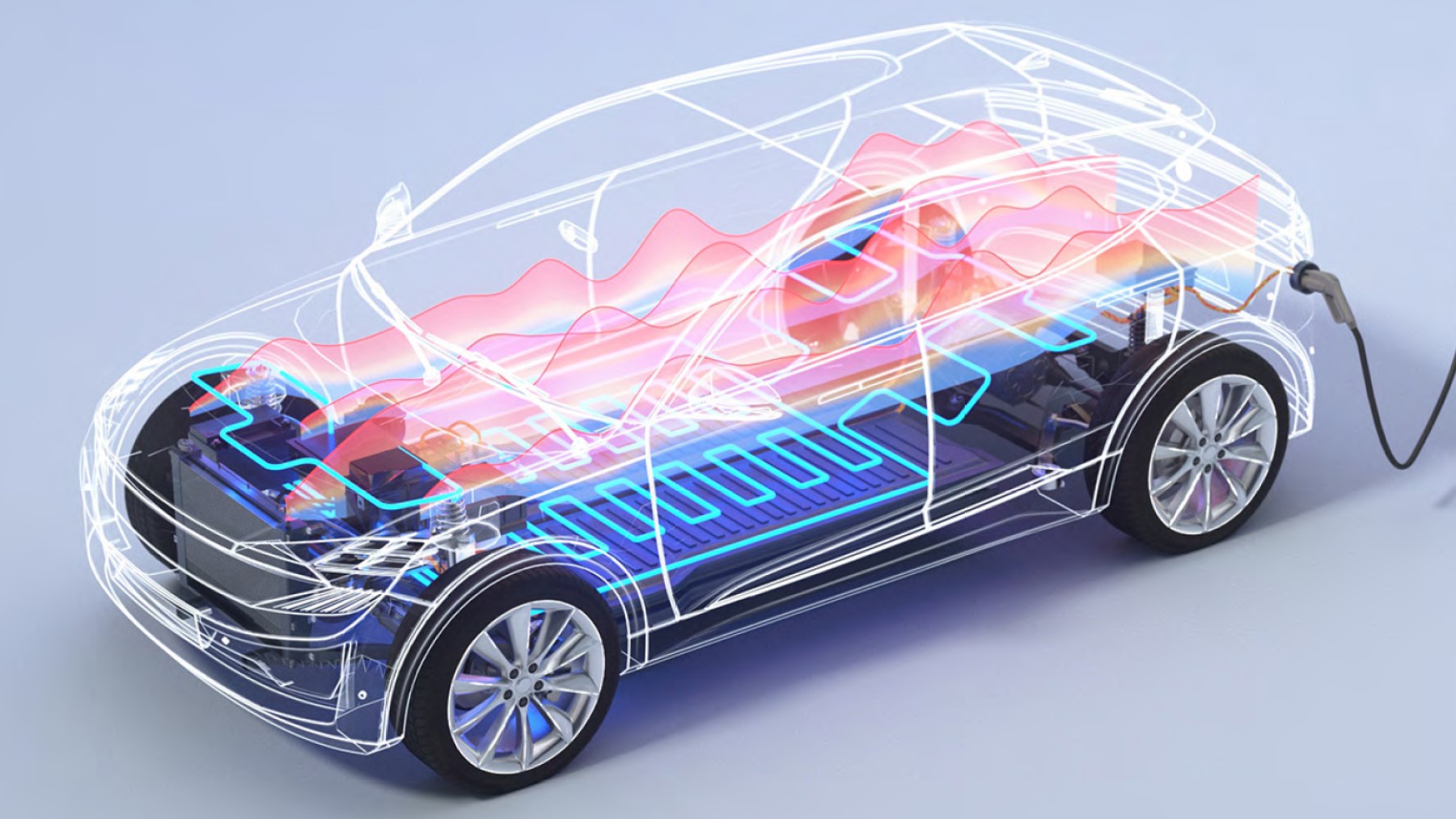
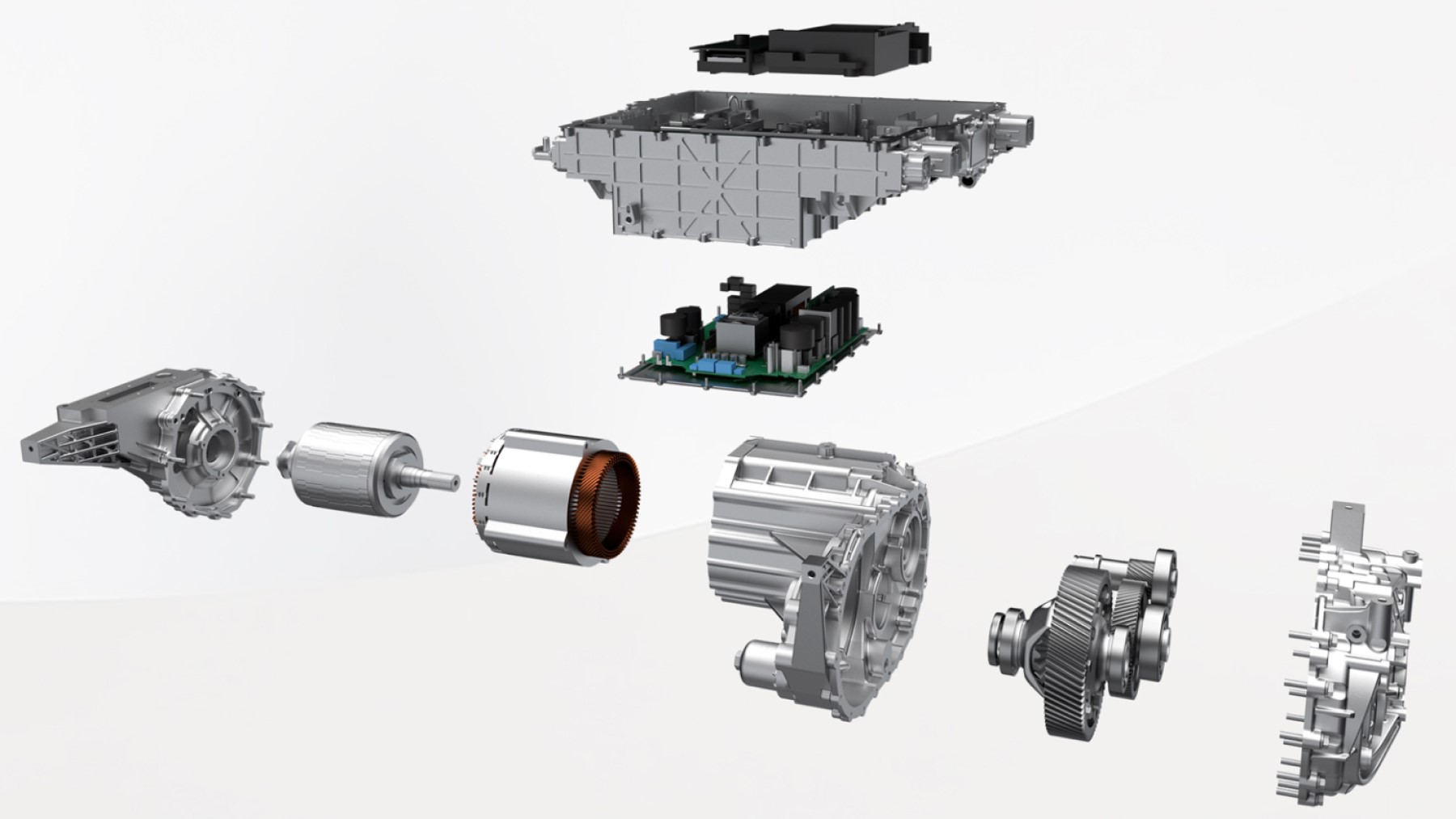
- Les moteurs électriques à flux axial


Communiqués
 Les technologies innovantes et éco-responsables FORVIA équipent la nouvelle Renault 5 E-TECH
- Valeo est le 1er déposant français de brevets en Europe et se classe 3ème déposant de brevets en France
 Le noir de carbone récupéré : à l’aube d’une révolution verte dans l'industrie du pneu (livre blanc)
 Citroën célèbre les 90 ans de la Traction Avant, modèle emblématique aux 100 brevets
- Innovation pédagogique : l’ESSCA lance ESSCABOT, un chatbot basé sur l’IA générative pour assister les étudiants au quotidien
- Recycler Mon Véhicule devient le premier éco-organisme de la filière des Véhicules Hors d’Usage
- FORVIA s'associe à GREE Electric Appliances pour développer de nouveaux matériaux et usages au service de l'économie verte et du recyclage en chine
 L'innovation dans les technologies numériques et d'énergie propre stimule la demande en matière de brevets en Europe en 2023
- Avec 240 millions d’euros d’investissements, le lancement de la production d’eDCT marque une nouvelle étape dans la transformation du site italien emblématique : « Mirafiori Automotive Park 2030 »
- Analog Devices et le groupe BMW s’associent pour fournir une solution de connectivité Ethernet à 10 Mbit/s de haute performance destinée aux véhicules définis par logiciel
- Renault Group, le groupe Volvo et CMA CGM unissent leurs forces pour répondre au besoin croissant d'une logistique décarbonée et efficace avec une toute nouvelle génération de fourgons électriques
 Michelin innove pour accélérer sur la connaissance des particules d’usure des pneumatiques et de la route
Evènements
- INTERMAT 2024, Paris Nord Villepinte, du 24 au 27 avril 2024
- International Vienna Motor Symposium, Vienne (Autriche), du 24 au 26 avril 2024
- Journée d'étude SIA : High Performance Hydrogen Internal Combustion Engine, Orléans, 16 mai 2024
- EuroBrake, Rheingoldhalle Mainz (Allemagne), du 17 au 19 juin 2024
- SIA Powertrain, Lilles, 19 et 20 juin 2024
- NeMMo 2024, Rennes, 3 et 4 juillet 2024
- Journée d'étude SIA : H2 et mobilité, région parisienne, 9 juillet 2024
- Aachen Colloquium Sustainable Mobility, Aix-la-Chapelle (Allemagne), du 7 au 9 octobre 2024
- SIA Vision 2024, Paris, 16 et 17 octobre 2024
Information publi-promotionnelle
www.auto-doc.fr
www.auto-doc.fr
